
allergyanaphylaxistrust.com

Emergency treatment now – having an allergic reaction

Signs of a severe allergic reaction (anaphylaxis)

Watch for any ONE of these signs:

  • Difficult or noisy breathing
  • Swelling of tongue
  • Swelling or tightness in throat
  • Wheeze or persistent cough
  • Difficulty talking or hoarse voice
  • Persistent dizziness or collapse
  • Pale and floppy (young children)
  • For INSECT ALLERGY – abdominal pain, vomiting

Follow instructions on the ASCIA Action Plan or ASCIA First Aid Plan for Anaphylaxis.

If you do not have an ASCIA Action Plan with you, these are the actions to take if you think someone is having anaphylaxis:

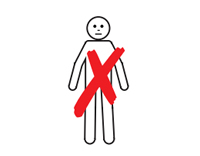
LAY PERSON FLAT – do NOT allow them to stand or walk
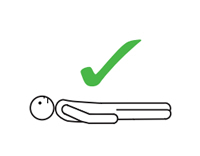
Lay person flat

Do not allow them to stand or walk

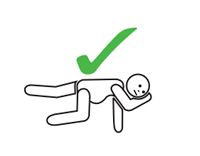
If unconscious or pregnant, place in recovery position – on left side if pregnant
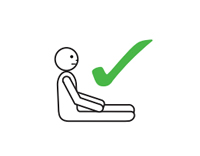
If breathing is difficult allow them to sit with legs outstretched
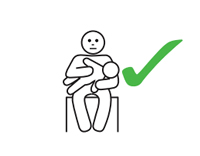
Hold babies and young children flat, not upright

2. GIVE ADRENALINE (epinephrine) INJECTOR if available

  • Instructions on how to give the adrenaline injector are on the label of the device

3. Phone ambulance – triple zero – 000 (AU)

4. Phone family/emergency contact

5. Another adrenaline injector may be given after 5 minutes

  • If no response from first adrenaline injector, or person is more unwell

6. The person must go to hospital for at least 4 hours of observation

IF IN DOUBT GIVE ADRENALINE INJECTOR

Start CPR at any time if person is not responding to you and not breathing normally

Remember: the person having anaphylaxis may not be thinking clearly.

  • Make sure someone stays with the person having anaphylaxis.
  • Try to remain calm, reassure the person and tell them help is on its way.
  • Don’t expect the person having anaphylaxis to manage the emergency on their own if help is available.
  • A person having anaphylaxis may not be able to give themselves their adrenaline injector even if they know how to use it

DO NOT SHOWER when you have anaphylaxis.

Showering during a severe allergic reaction can lower the person’s blood pressure and make them more unwell.

They can collapse if their blood pressure is too low.

Preparing for an emergency

Learn more about preparing for a severe allergic reaction (anaphylaxis) and what to expect if you or a loved one experiences anaphylaxis.

Mammalian meat

What is mammalian meat allergy? Mammalian Meat Allergy (MMA) is an allergy to mammalian meats or products made from mammalian


Read More

Wheat

Updated September 2025 Wheat allergy is an immune system response to the proteins in wheat. Most children with wheat allergy

Read More

Tree nut

Updated September 2025 In Australia, the tree nuts that commonly trigger food allergic reactions includes almond, Brazil nut, cashew, hazelnut,

Read More

Soy

Soy allergy is relatively uncommon compared with peanut, egg or milk allergy. Allergy to soy is most commonly seen in

Read More

Sesame

Updated May 2025 Approximately 0.4% of children at 12 months have a sesame allergy. An allergy to sesame, like peanut,

Read More

Peanut

Updated May 2025 Peanuts are a delicious food that are very nutritious and can be included as an important part

Read More

Hello! I am Samantha

Cum sociis natoque penatibus magnis dis parturient montes etis nascetur ridiculus mus.

Interesting Posts

Twenty years from now you will be more disappointed by the things that you didn’t do than by the ones you did do.

Leave a Reply

Your email address will not be published. Required fields are marked *